
The 'Internal' function provides the capability to selectively hide categories from search engines while simultaneously limiting access to designated user groups.
By default, your edoobox account and all primary categories are publicly accessible and discoverable via search engines. However, starting with the Limited3 subscription, you gain the option to switch your entire account or specific categories to internal mode.
Utilizing the Internal Code
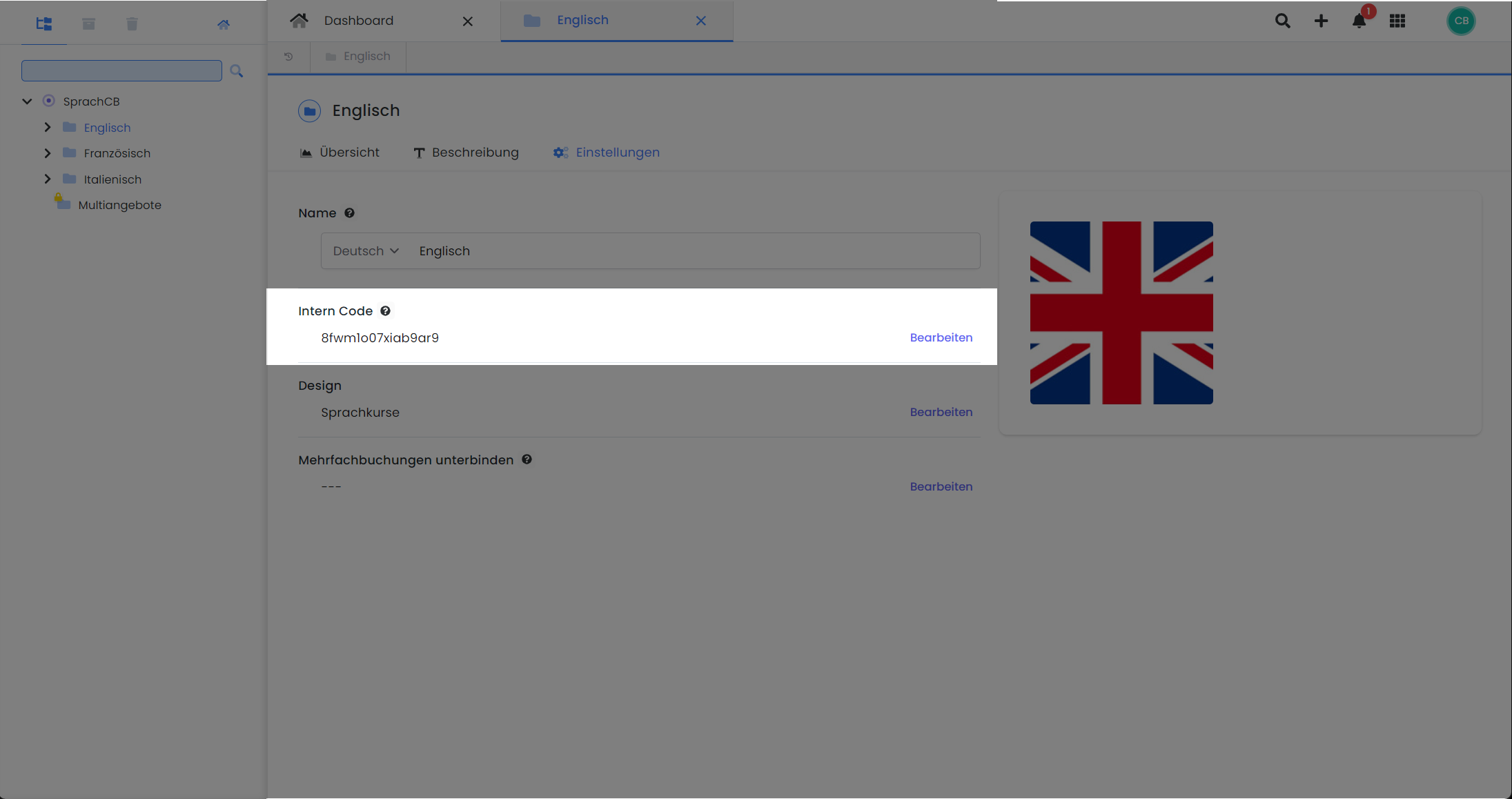
To leverage the 'Internal' function, configure your edoobox account or a primary category to internal mode. This transition automatically generates a unique internal code, which is then appended to the integration link of your edoobox account or the respective category.
In the background, the system automatically inserts the meta tag <meta name="robots" content="noindex"> to prevent indexing by search engines.
Important: Integration Codes and Links
When an edoobox account or a category is switched to internal mode, existing integration links must be updated to include the internal code. Access to and booking of your offerings are only possible through the use of these extended integration links containing the internal code.
Setting the Entire edoobox Account to Internal
If you wish to prevent your entire account and all its contained offerings from being publicly available and discoverable by search engines, we recommend setting the entire edoobox account to 'Internal' within the global account settings under 'Offers'.
Switching Individual Categories to Internal Mode
Within a public edoobox account, you can switch individual primary categories to internal mode. This functionality enables you to manage both public and internal offerings within the same account. As internal offerings are not indexed by search engines, they are ideally suited for internal company courses, seminars, and private groups.
Offers for Multiple Closed User Groups
To create offers for various closed user groups, follow these steps:
-
Create a separate main category for each user group.
-
Switch the created categories to internal mode by defining or generating an internal code.
-
Use the preview button to generate a new link for the category and send it to the respective user group.
Related Guides
-
Category Dashboard
Keywords for this guide
internal ¦ closed ¦ internal code ¦ intranet ¦ internal mode